Streatham High Road removals expert guide
If you are planning a move along Streatham High Road, you will already know the awkward bits can start before a single box is lifted: tight pavements, busy traffic, narrow stairwells, parking pressure, and the feeling that one missing item will throw the whole day off. This Streatham High Road removals expert guide is here to make the process feel manageable, not mysterious. Whether you are moving a flat, a family home, a small office, or just a few large items, the smartest moves usually come down to planning, the right vehicle, and a calm, organised approach.
Truth be told, most removal problems are not dramatic. They are small issues stacking up. A sofa that will not turn the corner. A lift that is smaller than expected. A box of cables nobody labelled. The good news? These are all avoidable with a bit of know-how. Below, you will find a practical, local guide to what matters, how the process works, and how to choose the right kind of service for your situation.
For readers comparing services, it can also help to look at related pages such as removals, home moves, or flat removals depending on the type of move you are planning.
Why Streatham High Road removals expert guide Matters
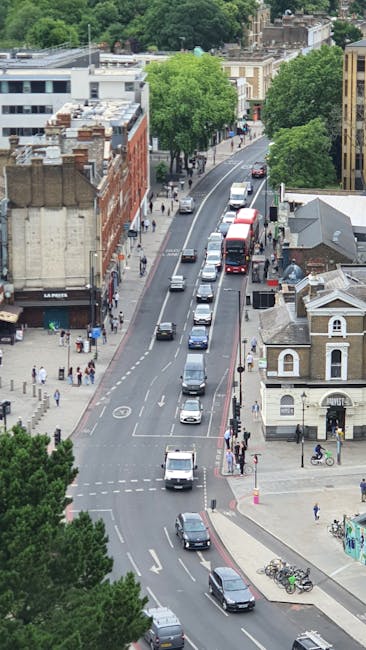
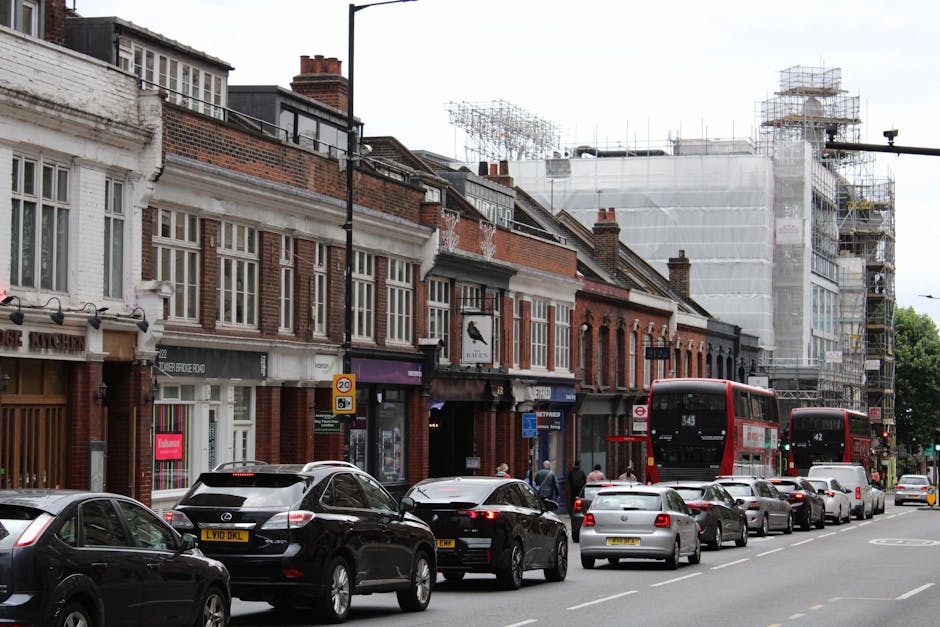
Streatham High Road is a classic London moving environment: convenient in some ways, complicated in others. It is a stretch where everyday life keeps moving around you - buses, shops, deliveries, pedestrians, parking restrictions, and the usual London unpredictability. That matters because removals are not just about carrying things from A to B. They are about timing, access, and protecting your belongings while you work around the realities of the street.
A local move on a busy road can be deceptively simple on paper. In practice, it often needs more coordination than people expect. If your property is above street level, if there is limited stopping space, or if your sofa seems to have been designed by someone with a grudge against doorframes, the job becomes more technical. That is where a removals expert approach really pays off.
There is also the matter of stress. Moves already ask a lot from you. You are juggling utilities, keys, cleaning, final checks, and probably a few emotions too. A well-run removal plan gives you back some control. And let's face it, that control is worth a lot on moving day.
Local knowledge helps in very practical ways. A team familiar with London-style access issues will think about loading order, parking position, carrying distance, and whether a van can safely stop without creating a bottleneck. If you want a broader service overview, the page on removal services is a useful place to compare what is usually included.
How Streatham High Road removals expert guide Works
The easiest way to understand a move is to break it into stages. A removals expert guide is really a decision framework: what needs moving, how much space it will take, how difficult access is, and what kind of support you need. That sounds obvious, but people often skip straight to booking a van without thinking through the details.
1. Assess the move properly
Start with the property itself. Is it a studio flat, a maisonette, a family home, a shop unit, or an office? Are there stairs, lifts, long hallways, or awkward turns? Do you have a piano, bulky wardrobes, garden furniture, or fragile items? The answers shape everything else.
2. Match the vehicle and crew to the job
A small load might suit a man and van arrangement, while a larger household move may need a bigger vehicle such as a removal van or even a moving truck. Choosing the wrong size tends to cost more in the end, either through multiple trips or rushed loading.
3. Plan around access and timing
Streatham High Road can be busy at peak times. A good plan considers the day, the time window, and where the vehicle will load. In many cases, the carrying route matters almost as much as the vehicle itself. A short carry from a sensible parking point is usually better than trying to squeeze closer and risking delays or frustration.
4. Prepare the property and the contents
Packing, disassembly, labelling, and protection materials all influence how smoothly the day goes. The more clearly things are organised, the faster the team can work. This is especially important if you are using packing and boxes support or a full packing service.
5. Load, transport, and unload in order
Loading is not random. The best teams place heavy and stable items first, keep fragile pieces protected, and group items in a way that reduces shifting in transit. Unloading works in reverse, but ideally with enough labelling that the correct room is obvious at a glance. Simple, but powerful.
Key Benefits and Practical Advantages
Using an expert approach for a Streatham High Road move brings a few very real advantages, and not just the obvious one of avoiding heavy lifting.
- Less risk of damage: Furniture, walls, floors, and doorframes all benefit from careful handling and sensible load planning.
- Better use of time: When packing and loading are organised, the whole day becomes shorter and calmer.
- Fewer surprise costs: Planning the right vehicle and service level can prevent repeat trips or last-minute add-ons.
- More predictable moving day: A structured approach reduces the chance that parking, access, or packing problems derail the schedule.
- Reduced physical strain: Not everyone wants to carry wardrobes down stairs, and fair enough.
- More suitable for local conditions: Busy high streets reward practical planning, especially where traffic and stopping space are limited.
There is also a psychological benefit. A move that feels controlled is much easier to get through. You tend to sleep better the night before. Maybe not perfectly - this is still moving, after all - but better.
If you want help comparing the type of help you need, the pages on house removals and house removalists are useful for seeing how domestic moves are typically handled.
Who This Is For and When It Makes Sense
This guide is for anyone moving in or around Streatham High Road who wants fewer headaches and a better outcome. That includes first-time movers, busy families, renters with limited access time, small business owners, and anyone who has looked at a pile of possessions and thought, where on earth do I start?
It is especially relevant if any of these sound familiar:
- You are moving from a flat with stairs or a lift that may not fit large furniture.
- You have limited parking or awkward access outside the property.
- You need a quick turnaround between leaving one place and entering another.
- You are moving bulky or delicate items, such as mirrors, antiques, or a piano.
- You are combining a move with disposal, storage, or furniture collection.
- You want to reduce the number of people involved on the day.
For students, the practical considerations are a bit different. Smaller loads, tighter budgets, and tighter timelines usually matter more than full-house logistics. In that case, student removals can be a sensible fit, especially at the end of term when everyone seems to be moving at once.
Commercial customers have their own pressures too. If you are relocating a workspace, the stakes are less about the sofa and more about downtime, equipment, and continuity. A dedicated commercial moves service is usually the better route there.
Step-by-Step Guidance
Here is the practical version. If you only remember one section, make it this one.
- List everything you are moving. Not just the big items. Include boxes, breakables, lamps, plants, hanging rails, bedding, and anything stored in cupboards or under beds. People always forget the under-bed stuff.
- Separate essentials from non-essentials. Keep documents, chargers, medicines, keys, toiletries, and a basic kettle box where you can reach them easily.
- Measure awkward furniture and tight spaces. Door widths, stair turns, lift sizes, and hallway corners can make or break the plan. A tape measure is boring but brilliant.
- Choose the right service level. If you need help packing and unpacking, consider packing and unpacking services. If you only need transport, a simpler arrangement may be enough.
- Decide whether storage is needed. If there is a gap between leaving and entering, or if the new place is not ready, short-term storage can prevent a lot of panic.
- Check practical details before moving day. Keys, access codes, parking constraints, building rules, and lift booking slots all deserve attention.
- Label boxes clearly. Room name on at least two sides. Fragile warnings where needed. Keep it readable in a rush.
- Prepare the furniture. Empty drawers where possible, remove loose shelves, and protect corners. A bit of prep now saves an ache later.
- Load in a sensible order. Heavy items and large furniture first, delicate items secure, essentials last if they need to come off first.
- Do a final walk-through. Cupboards, lofts, utility spaces, bathroom shelves, behind doors - the forgotten places. There is nearly always one forgotten place.
If you are booking a flexible same-day collection or last-minute move, you may want to review same-day removals as an option. It is not ideal for every situation, but sometimes life does not give you much warning.
Expert Tips for Better Results
Experience teaches you that the little things matter. Here are the details that often make the biggest difference.
- Keep one room as the "ready room". Put finished boxes there instead of spreading them across the flat. It keeps the space navigable and stops the move from becoming a maze.
- Use colour or simple symbols. Blue tape for kitchen, red for bedroom, or just a big letter. Simple systems are often better than elaborate labels no one can read at 7 a.m.
- Disassemble only what truly needs it. Over-disassembly can create lost bolts and unnecessary stress. If a bed or wardrobe is easy enough to move intact, that may be the better route.
- Protect floors and corners. In older properties especially, scuffed paint and scratched flooring are an expensive annoyance.
- Pack a first-night box. Tea, mugs, phone charger, toilet roll, clean clothes, basic tools, snacks. Nothing glamorous, all useful.
- Tell the removals team about awkward items early. A piano, oversized sofa, or antique cabinet should never be a surprise on the day.
A small but important one: take photos of cable setups before unplugging anything. TVs, modems, printers, desktop stations - you will thank yourself later. Probably while standing there holding three identical black cables and wondering which one does what.
For especially delicate or high-value items, the page on piano removals is a good reminder that specialist handling matters for more than just pianos. The same careful mindset applies to awkward furniture and fragile equipment.
Common Mistakes to Avoid
A lot of moving stress comes from avoidable errors. Here are the most common ones, and why they matter.
- Booking the wrong vehicle size: Too small means multiple trips; too large may be unnecessary and awkward for the street setup.
- Underestimating access issues: A property can look straightforward until you try carrying a wardrobe around a tight landing.
- Leaving packing to the last minute: Rushed packing leads to breakages, poor labels, and missing items.
- Forgetting parking or stopping arrangements: This is especially important in busier stretches near Streatham High Road.
- Not checking what is excluded: Some services cover loading and transport only. Others include packing, dismantling, or reassembly. Know the difference.
- Mixing essentials with everything else: It sounds harmless until you need a charger, keys, or medication and cannot find the right box.
- Ignoring disposal and unwanted items: A move is a good time to clear out old furniture. If you need that handled separately, furniture removals or furniture pick up may be more appropriate.
Sometimes the mistake is not dramatic at all. It is just optimism. "It'll fit." "We'll sort it on the day." "That box is definitely labelled." Famous last words, honestly.
Tools, Resources and Recommendations
You do not need a warehouse full of equipment to move well. A few sensible tools go a long way.
- Strong boxes in mixed sizes: Use small boxes for books and heavy items, larger boxes for lighter items.
- Packing paper or protective wrap: Good for plates, glassware, and anything with sharp edges.
- Marker pens and labels: The unglamorous heroes of every successful move.
- Basic toolkit: Screwdrivers, Allen keys, tape, scissors, and a small torch.
- Blankets or wraps: Useful for protecting furniture in transit.
- Trolley or sack truck where appropriate: Helpful for heavier boxes and appliance-style items.
It also helps to use the right service for the job. For example, if your move is a straightforward one-bedroom job with limited furniture, man with van or man with a van pages may be more relevant than a full-scale home relocation page. For larger, more structured domestic moves, home moves is the more fitting direction.
And if you are comparing providers, the pricing and quotes page can help set expectations around what to ask for before you commit. No need to guess. Guessing is rarely the bargain it looks like.
Law, Compliance, Standards, and Best Practice
Moving household goods is not usually a highly regulated process for the customer in the way some other services are, but good practice still matters. A professional removals operation should work carefully, communicate clearly, and take reasonable steps to protect items and people during the job.
From a customer point of view, a few common-sense expectations stand out. The team should be clear about what is being moved, what level of help is included, and how items are handled. They should also be upfront about insurance and safety arrangements, especially where fragile, heavy, or high-value goods are concerned. That is why pages such as insurance and safety and health and safety policy are worth reviewing if you want a better feel for the standards behind the service.
In practical terms, best practice usually includes:
- careful handling and sensible lifting technique
- clear communication about access and timing
- appropriate vehicle loading so items do not shift in transit
- reasonable protection for furniture and delicate goods
- respect for building rules, neighbours, and shared spaces
If you are disposing of items rather than moving them, sustainability matters too. Reuse and responsible disposal are far preferable to simply dumping usable goods. The page on recycling and sustainability is relevant for people who want their move to be a bit more considerate, which, to be fair, more of us do these days.
For service confidence and clear terms, the pages on terms and conditions and payment and security are also useful to review before booking.
Options, Methods, and Comparison Table
Different moves need different setups. A quick comparison can save you from choosing a service that is either too big, too small, or simply not the right fit.
| Option | Best for | Typical advantages | Watch-outs |
|---|---|---|---|
| Man and van | Small to medium loads, quick local moves, single-room jobs | Flexible, often efficient, good for lighter planning needs | May not suit large household moves or specialist items |
| Removal van | Moderate home moves, organised loading, more volume | Better capacity, more room for furniture and boxes | Parking and access still need planning |
| Moving truck | Larger moves, bigger furniture sets, commercial relocations | Greater capacity, fewer trips, more efficient for large jobs | Needs more space and careful route planning |
| Full removal services | Moves where packing, lifting, and coordination matter most | Most convenient, less stress for the customer | Usually more involved, so planning and communication are key |
There is no single "best" option for every Streatham High Road move. A studio flat move with a few boxes is a different animal from a family house full of furniture and children's bikes. The real trick is matching the method to the job, not the other way round.
If you are weighing up broader providers, the page on removal companies can help frame the difference between service types, while removal truck hire is worth considering when volume is the main issue.
Case Study or Real-World Example
Picture a typical late-morning move off Streatham High Road. The property is a second-floor flat. The hallway is narrow. The sofa is a tight fit, and one bedroom wardrobe has to be turned almost vertically to clear the bend at the landing. Outside, traffic is moving steadily and there is only a narrow loading gap.
The move goes well because the planning is simple but disciplined. The most awkward furniture is checked first, boxes are grouped by room, and the team arrives with a clear idea of access. The carrier path is kept short. The sofa is wrapped before it is moved. A small first-load box contains keys, cleaning items, and the kettle, because, well, no one wants to dig for tea after a long day.
What made the difference? Not fancy gear. Not luck. A sensible sequence, clear labels, and a realistic understanding of the building. That is usually what local removals success looks like. It is not dramatic. It is just effective.
A similar approach works for office work too, especially where downtime matters. If you are relocating a workspace, you will probably get better results from a service shaped around office removals or office relocation services than from a generic approach.
Practical Checklist
Use this checklist a day or two before the move. It is simple, but it catches a lot of mistakes.
- All boxes labelled by room and contents
- Fragile items wrapped and marked clearly
- Furniture measured if access is tight
- Parking or stopping plan confirmed
- Keys, contracts, and documents kept separate
- Essentials box packed for first night
- Appliances unplugged and ready
- Drawers emptied where needed
- Lifts or building access arrangements checked
- Unwanted items sorted for disposal or collection
- Children's items, pet supplies, and chargers easy to reach
- Final walk-through planned for cupboards, lofts, and storage spaces
Small reminder: if you are dealing with a narrow stairwell or unusual furniture shape, do a quick second measure. It takes two minutes and may save you a whole day's annoyance.
Conclusion
Streatham High Road removals do not need to feel chaotic. With the right plan, the right service level, and a realistic view of access and timing, even a busy London move can be handled with much less strain than people expect. The real goal is not perfection. It is a move that runs smoothly enough for you to breathe, keep track of your things, and settle in without feeling wrung out.
If you remember only a few things, remember these: plan around access, pack in a way that helps the unload, choose the right vehicle, and do not underestimate the value of good labels. Those basics solve more problems than any clever shortcut ever will.
Get a free quote today and see how much you can save.
And when it is all done, when the boxes are in the right rooms and the kettle is finally on, that little bit of relief matters. It really does.
Frequently Asked Questions
What is a Streatham High Road removals expert guide?
It is a practical guide to planning and carrying out a move on or around Streatham High Road, with attention to access, timing, packing, vehicle choice, and local moving challenges.
Do I need a full removal service or just a man and van?
It depends on the size of the move and how much help you need. A smaller local job may suit a man and van arrangement, while larger or more complex moves often need a fuller service.
How far in advance should I book a removals company?
For a planned home or flat move, earlier is usually better. If your move is time-sensitive or last minute, you may need to look at same-day removals, but availability can be tighter.
What should I pack myself before moving day?
Pack personal essentials, documents, valuables, and any items you want immediate access to after arrival. If you want help with the rest, packing support can be arranged through packing and boxes or related services.
How do I know what size vehicle I need?
Look at the number of rooms, the amount of furniture, and how many boxes you have. A small flat may fit a removal van, while larger homes or business moves may need a bigger vehicle.
Are there special considerations for flat moves?
Yes. Flats often involve stairs, lifts, corridor turns, and tighter parking or carrying routes. That is why flat removals are often best planned with access details in mind.
Can I move furniture and dispose of unwanted items at the same time?
Yes, and it is often a good idea. If you are clearing out old pieces as well as relocating, look at furniture removals or furniture pick up options.
What if there is a delay between moving out and moving in?
That is where storage can help. It gives you flexibility when completion dates, handovers, or access timings do not line up neatly.
Is office moving different from home moving?
Yes. Office moves are usually more sensitive to downtime, equipment handling, and business continuity. Services like office removals are built around those pressures.
What should I ask before accepting a quote?
Ask what is included, how access issues are handled, what vehicle is being used, whether packing or dismantling is covered, and how payment works. The pricing and quotes page is useful for understanding the right questions to ask.
How can I reduce the risk of damage during a move?
Pack carefully, label clearly, protect furniture corners, measure awkward items, and make sure the loading order is sensible. Care at the start usually saves trouble later.
What if I only need help with one large item?
Then a smaller, more flexible option may be enough. A single-item move often does not need a full house-removal setup, but it still benefits from proper handling and planning.
How do I choose a trustworthy removals provider?
Look for clear service descriptions, practical guidance, transparent terms, and evidence of safety-minded working. Pages such as about us and insurance and safety can help you judge professionalism.
What is the best way to prepare for a Streatham High Road move?
The best approach is straightforward: measure access, choose the right service, pack in a structured way, and keep the day's essentials separate. A calm plan beats a rushed one every time.